
As a professional Garden Consultant, I like to think that everything I touch turns to green, however much like everyone else I sadly, must admit that I have my disasters from time to time too.
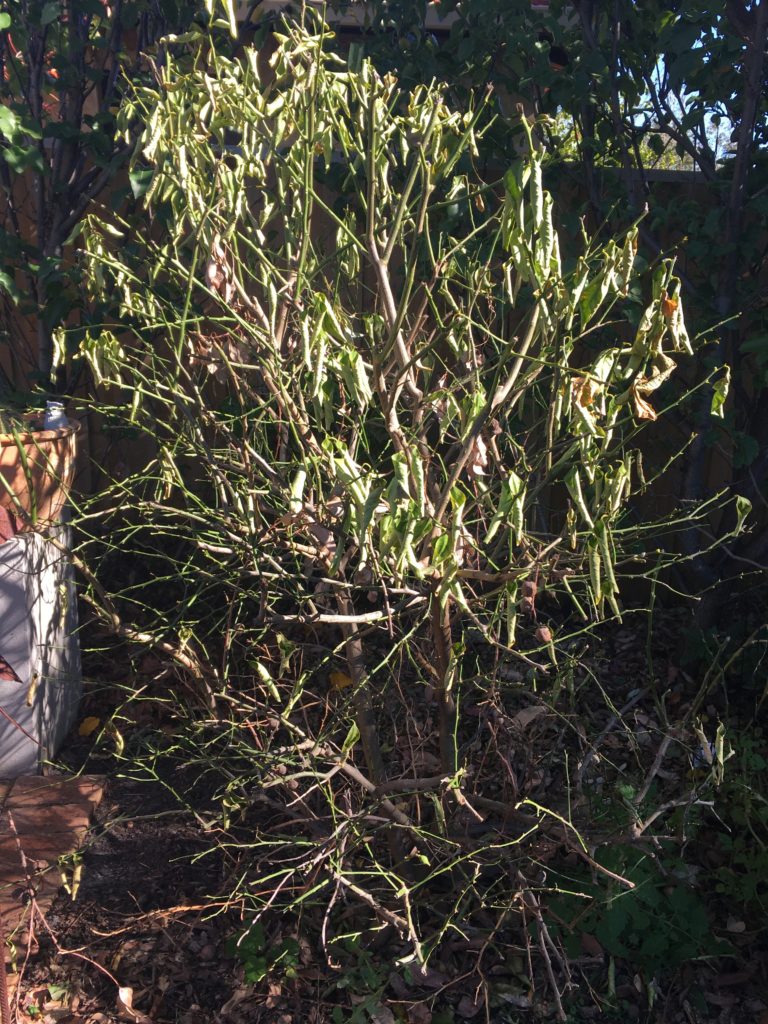
 DEAD!
A week ago, I had a very healthy-looking six-year-old lime tree, beautifully clipped into a neat ball shape, standing about five feet tall and sitting in front of a very tidy planting of three Pyrus ‘Capital’, which have not even shown a single sign of Autumn leaf loss, is there such a thing as an evergreen ornamental pear? anyway, another story…moving on…the lime tree is now DECEASED, DEAD, GONE, NO TURNING BACK!
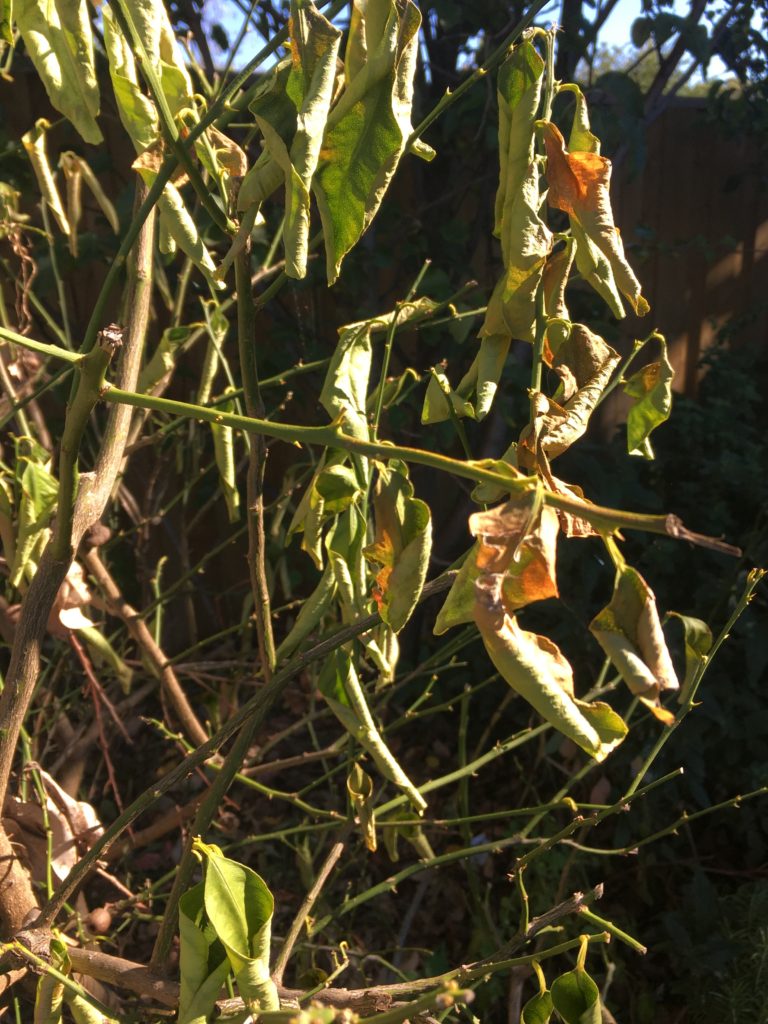
 Check out these sad leaves
Granted, that darn tree, despite plenty of flowers has never had a single lime on it and in recent times, I have given it a very stern talking to however I was not expecting this kind of reaction.
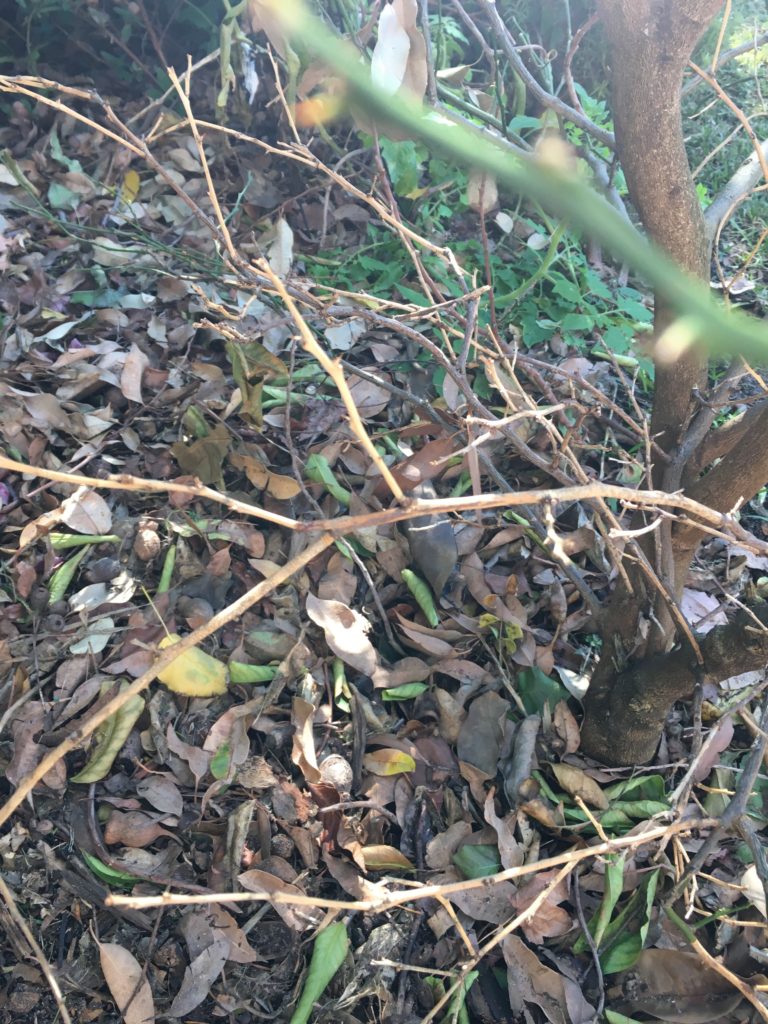
 Here’s the main stem-no signs of collar rot-no sign of life either
This lime has been loved, nurtured, given compost, given Potassium as well as a complete citrus fertilizer and up until a week ago looked very healthy. This plant has been treated well. It has been watered in the warmer months and mulched and now this!
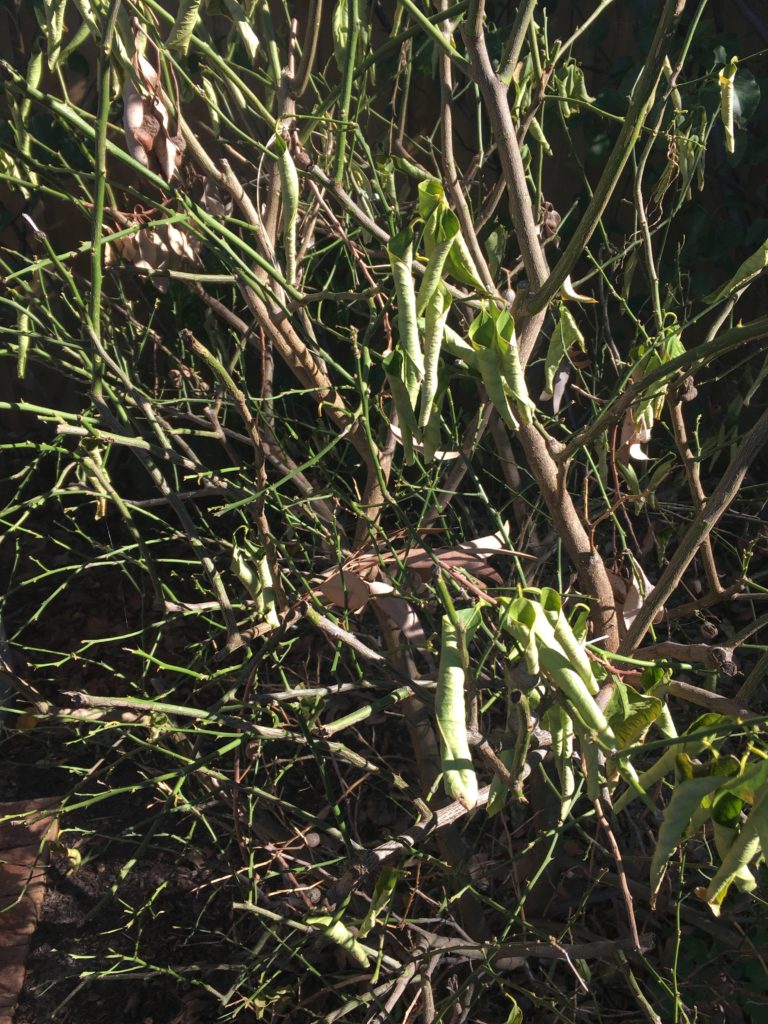
 Lots of dead twigs
Here are some of the possible causes of death:
Scale?-no evidence of any scale
Citrus Leaf Minor?-no evidence of that either
Collar rot?-mulch not pressing up against the trunk of the tree-no signs of collar rot
Armillaria?-according to the Department of Agriculture in Western Australia “Citrus trees affected by Armillaria root rot show decline with leaf yellowing and leaf drop. They may set a very heavy fruit crop in spring but collapse and die when the weather gets hot in summer.
Armillaria appears under the bark of affected trees as fan-shaped mycelia mats with a strong mushroom odour.” There’s no funghi, I have had no fruit and it is winter and the weather is cold so I’m eliminating that.
Phytophthora? “Phytophthora root rot in citrus is caused by the pathogenic fungi P. citrophthora and/or P. nicotianae. Below-ground symptoms are the loss of feeder roots. Above-ground symptoms are a loss of vigour and spindly growth.” says AgricWA It could be this but I’m not convinced.
Sooty Mould? There’s no blackening of the stems, so I am also ruling this out
Nematodes? I am thinking maybe, citrus nematodes (Tylenchus semipenetrans). Well, it could be them, they are microscopic but I will not know until I remove the tree and check out the roots of the plant and very difficult to diagnose.
So, what’s wrong with my lime tree? I have to admit that I am stumped, I don’t know what’s wrong with it but here’s my solution…
I’m ripping it out, goneski, it’s taking far too much of my energy and valuable time to diagnose the problem and it has never given us a single LIME-space is at a premium at my place and so it’s goodbye to you, lime tree!
Looks like I will be buying limes for my Gin and Tonic next Summer
….and now for the biggest (and I do feel guiltily mercenary) is…. what is going to replace the lime…it’s off to the garden centre for me….retail therapy fixes all woes.
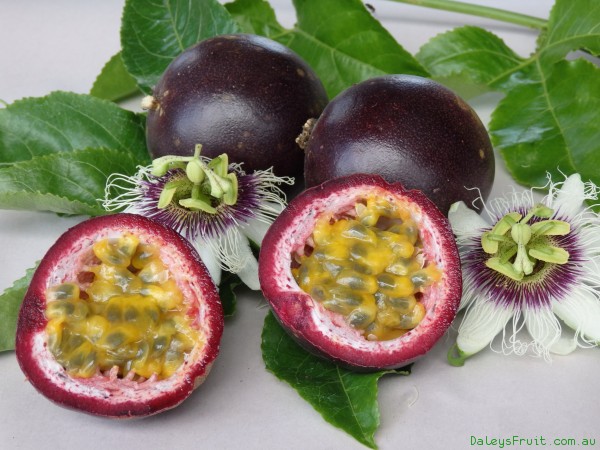
 How Gorgeous, you say…well, think again!

 I already had this in mind when I planted my vine
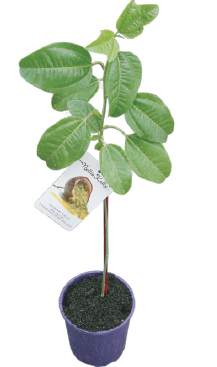
 I picked one out from the nursery which looked just like this one.
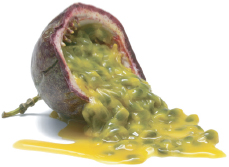
 Imagine this growing in your backyard!

